
Pesticide Residue Management: Effective Solutions for Farmers and the Environment
Plant protection products (pesticides) play an important role in protecting crop health and ensuring a high-quality food supply. However, the indiscriminate or improper use of pesticides has made pesticide residues a major concern, potentially posing risks to human health, animals, and the environment. In this context, finding sustainable solutions to address pesticide residue concerns is becoming increasingly important. At the same time, it is essential to maintain a balance between agricultural development and environmental protection. Let’s explore sustainable approaches to safeguarding our food supply and protecting the environment we all depend on.
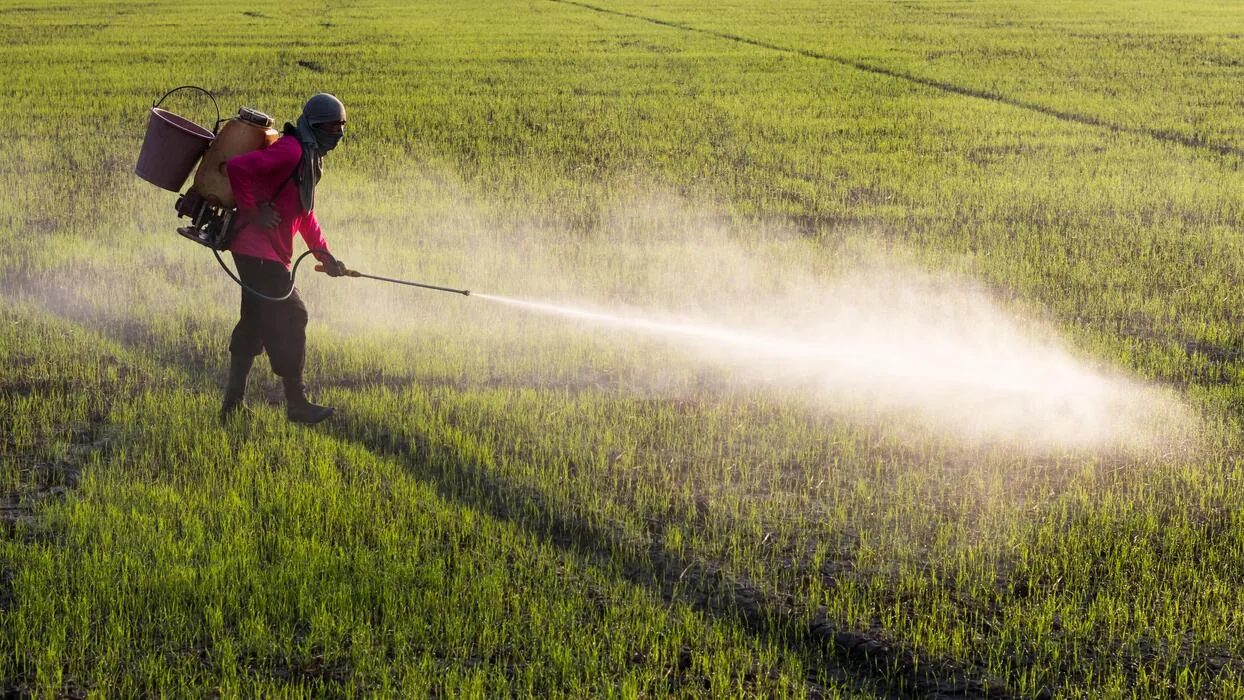
HOW TO MANAGE PESTICIDE RESIDUES – EFFECTIVE SOLUTIONS FOR FARMERS AND THE ENVIRONMENT
Guidelines for the Proper Use of Plant Protection Products
Proper use of plant protection products (pesticides) is essential to protecting users, crops, and the environment. The “Four Rights” principle—the right product, the right time, the right dose and concentration, and the right application method—helps maximize product effectiveness while minimizing unintended risks.

The Four Rights of Pesticide Use
1. The Right Product
Choose a plant protection product specifically suited to the target pest, disease, or weed. Selecting the appropriate product helps improve treatment effectiveness while minimizing potential environmental impacts.
2. The Right Dose and Concentration
Using the correct dose and concentration is essential to reducing risks to people, crops, and the environment. Always follow the instructions on the product label to ensure accurate preparation and application.
3. The Right Time
Apply pesticides when the target pests or diseases are most susceptible to treatment. Avoid spraying during sensitive crop growth stages, such as flowering, where applicable, and observe the required pre-harvest interval. Whenever permitted by the product label, apply under suitable weather conditions, avoiding strong winds and excessive heat.
4. The Right Application Method
Plant protection products are available in various formulations, including powders, emulsifiable concentrates, granules, and other forms. Each formulation requires an appropriate application method. Apply the product according to label instructions and the characteristics and location of the target pest to ensure effective coverage.
When using pesticides, observing the pre-harvest interval is essential to help protect consumers and ensure compliance with food safety requirements. Used pesticide containers and packaging must also be collected and disposed of in accordance with applicable regulations to prevent environmental contamination.
Following the “Four Rights” principle helps farmers use plant protection products more responsibly and effectively.
Pesticide Residues – Potential Risks to Human Health and the Environment
The widespread use of plant protection products in Vietnam has raised concerns about pesticide residues in agricultural products and the environment. The large number of active ingredients and commercial formulations available makes responsible pesticide management increasingly important.
Reports of pesticide exposure among agricultural workers and other population groups have also highlighted the importance of monitoring and reducing unnecessary exposure. Improper application, excessive use, and failure to observe recommended procedures may increase the risks associated with pesticide residues.

Impacts on Human Health
Exposure through food: Pesticide residues in food may pose health risks when they exceed applicable safety limits. The potential effects depend on the active ingredient, exposure level, and duration of exposure.
Potential effects on the immune system: Certain pesticides may affect immune function under specific exposure conditions. The level of risk depends on the chemical involved and the extent of exposure.
Potential long-term health effects: Exposure to certain pesticides has been associated with specific chronic health risks. These risks vary considerably depending on the substance, dose, and exposure pathway.
Reproductive health concerns: Some pesticide active ingredients may affect reproductive health. Appropriate handling, protective measures, and compliance with safety instructions are therefore essential.
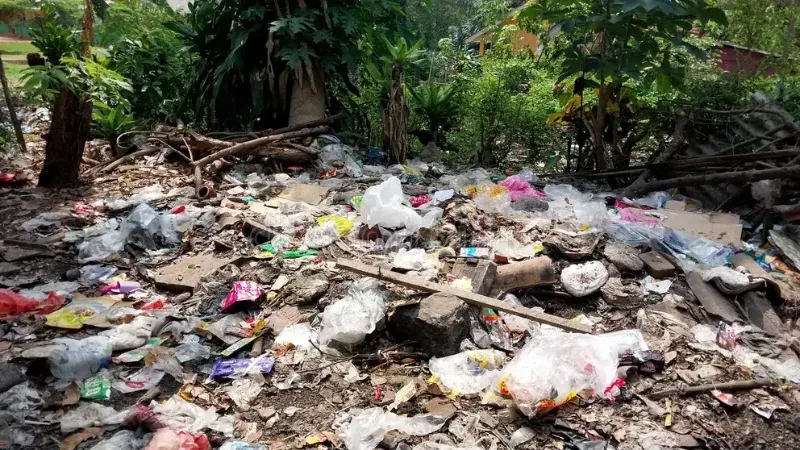
Impacts on the Environment and Ecosystems
Water Pollution
Improper pesticide application, runoff, and the discharge of pesticide-containing waste may introduce chemical residues into surface water and groundwater. This can affect water quality and potentially harm aquatic organisms, wildlife, and human communities.
Impacts on Wildlife
Pesticides may affect non-target organisms, including beneficial insects and other wildlife. Changes in species populations can disrupt ecological balance and food chains.
Soil Degradation
The accumulation of certain pesticide residues in soil may affect beneficial soil microorganisms and other components of the soil ecosystem. Depending on the active ingredient and exposure conditions, this may influence soil quality and agricultural productivity.
Economic Consequences
Reduced Agricultural Productivity
Improper pesticide use may contribute to crop damage, pest resistance, treatment failures, and additional production costs, potentially reducing yields and farmers’ income.
Higher Environmental Management Costs
Managing pesticide contamination and its environmental consequences may require additional investment in monitoring, treatment, waste management, and pollution prevention.
Risks to Agricultural Exports and Trade
Agricultural products that fail to meet destination-market pesticide residue limits or food safety requirements may face shipment rejection, additional testing, or loss of market access.
Discover GTS’s Two-Product Solution for Pesticide Residue Management
Sustainable Approaches to Agricultural and Environmental Protection
GTS Advanced Materials Technology JSC is a chemical research and manufacturing company committed to developing solutions for agricultural challenges. Its DH-01Cx and DH-02C product combination is designed to support pesticide residue management and address concerns related to chemical contamination in agricultural environments.
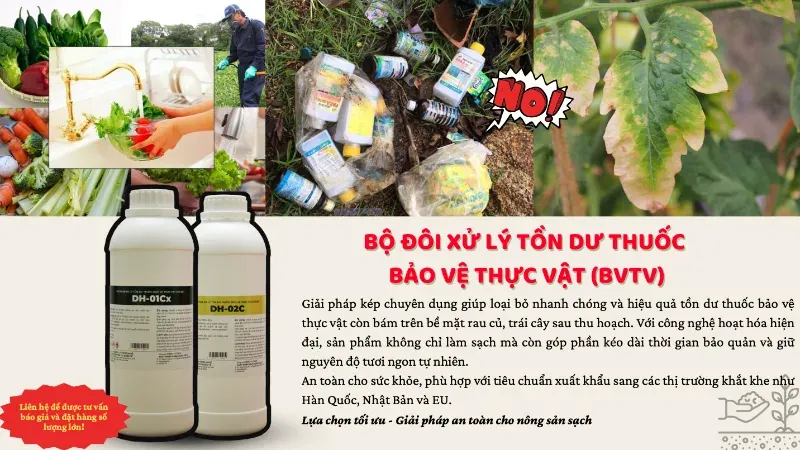
The two-product system is intended to help reduce certain pesticide residues while supporting more responsible agricultural practices. Its suitability and effectiveness depend on the target compounds, application conditions, and verified product specifications.
How Do DH-01Cx and DH-02C Work?
The DH-01Cx and DH-02C combination is described as incorporating oxidation-enhancing agents and selected chemical components, including salts of phosphoric acid and citric acid.
According to the product information provided, the system is intended to help reduce residues of certain sulfur- and nitrogen-containing pesticides, including diniconazole, dimethoate, isoprothiolane, metominostrobin, tolfenpyrad, and tricyclazole.
Actual treatment performance may vary depending on the pesticide active ingredient, soil characteristics, application conditions, and other environmental factors. Product-specific efficacy data should be consulted to determine which compounds can be treated and to what extent.
By supporting appropriate residue management, the product combination may contribute to more responsible agricultural practices. Any additional claims relating to crop resistance, agricultural productivity, or produce quality should be supported by relevant testing and documentation.
Instructions for Use
To support safe handling and proper application of the DH-01Cx and DH-02C pesticide residue treatment system, follow the product instructions and applicable safety requirements.
Step 1: Wear Protective Equipment
Before handling the products, wear appropriate personal protective equipment, including chemical-resistant gloves and protective goggles, as specified on the product labels and safety data sheets.
Step 2: Prepare the DH-01Cx Solution
Prepare a container with 198 liters of clean water. Add 1 liter of DH-01Cx and stir thoroughly.
Step 3: Add DH-02C
Add 1 liter of DH-02C to the prepared mixture and stir thoroughly to ensure even mixing.
Step 4: Apply the Solution
Use the prepared solution to wet the planting soil by spraying or watering, following the product instructions. According to the provided directions, the mixture should be applied within four hours of preparation, and the opened products should be used within five days.
Important: Before application, confirm the recommended mixing ratio, compatibility, target pesticide residues, suitable soil conditions, and permitted application method with the manufacturer’s technical documentation. Do not apply the mixture to crops or agricultural land unless the intended use and safety requirements have been verified.
These instructions are intended to support convenient and responsible use while helping farmers manage pesticide residues in agricultural soil.
Conclusion
DH-01Cx and DH-02C are presented as a combined approach to pesticide residue management in agricultural settings. Their suitability, effectiveness, and safety should be evaluated against the target pesticide compounds, recommended application conditions, and relevant technical test results.
Responsible pesticide management involves more than residue treatment alone. Farmers should also follow the “Four Rights” principle, observe pre-harvest intervals, use appropriate protective equipment, and comply with regulations on pesticide handling and disposal.
Through research and product development, GTS Advanced Materials Technology JSC aims to contribute to more responsible agricultural practices, improved produce quality, and environmental protection.
Contact GTS International
Hotline: +84 978 830 006 (Ms. Thy Thơ)
Email: [email protected]
GTS International – Supporting the protection of material quality and value.