
Copper Nanotechnology for Crop Protection: Fungal Disease Control and Improved Plant Health
Amid growing demand for safe and effective agricultural products, farmers are facing increasingly complex challenges. Root rot and fluctuations in soil pH have become significant obstacles, raising concerns about how to maintain and improve agricultural productivity. Copper nanotechnology has emerged as a potential advanced approach to crop and soil management, offering applications in root rot control and soil treatment. When properly formulated and applied, copper-based solutions may help support healthier crops and contribute to more sustainable agricultural production.
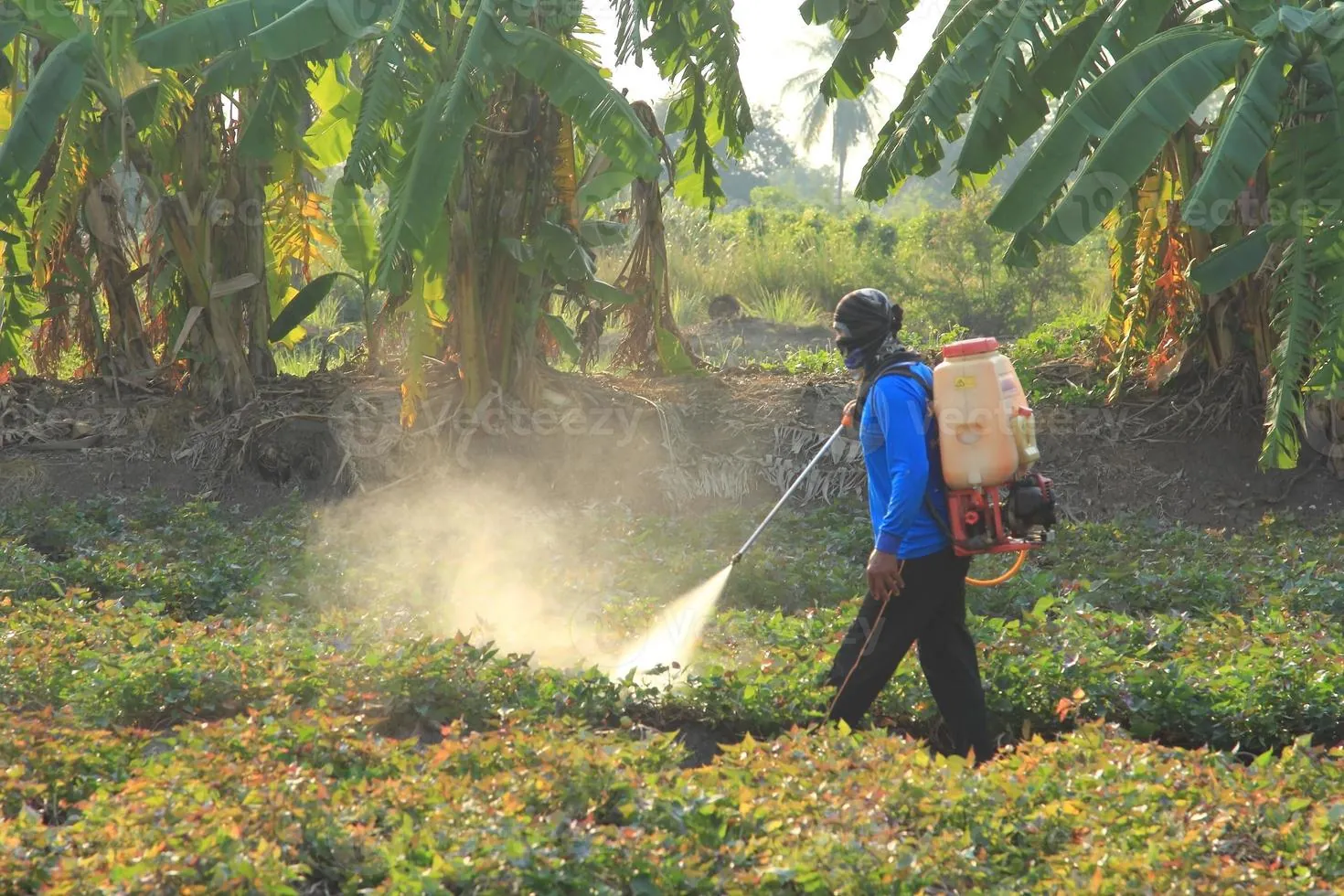
Managing Root Rot and Soil pH in Crops
Root rot is a common agricultural problem, often associated with the excessive growth of harmful fungi and bacteria in the soil. These pathogens can damage root structures and reduce plants’ ability to absorb essential nutrients. As a result, plant health deteriorates, affecting crop productivity and product quality.
At the same time, fluctuations in soil pH can significantly affect nutrient availability and uptake. Crops are often sensitive to the pH of their surrounding environment, and changes in soil acidity or alkalinity can lead to various problems, ranging from reduced nutrient absorption to nutrient deficiencies.
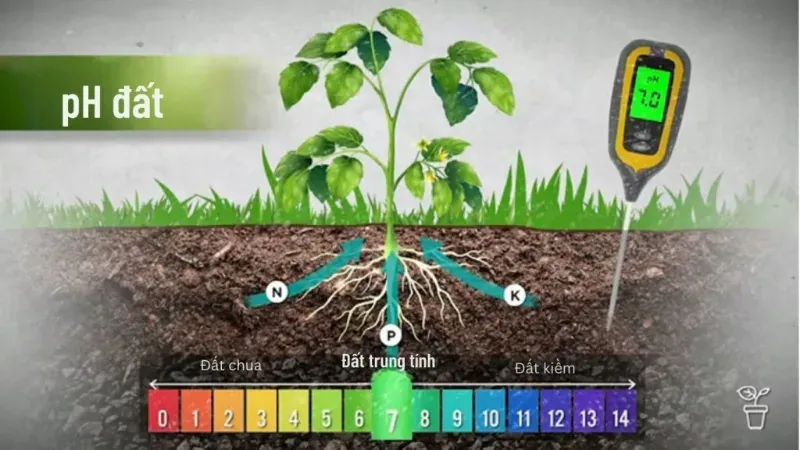
The need to manage root rot and maintain suitable soil pH levels is becoming increasingly important for protecting crop health. These practices help optimize nutrient uptake and provide plants with more favorable growing conditions.
Nanotechnology has attracted growing interest in agricultural applications, particularly in plant health management and soil treatment. Copper-based nanomaterials may offer potential benefits for managing certain harmful microorganisms. However, their effectiveness depends on the formulation, application rate, soil conditions, and target pathogens. Maintaining suitable soil pH also requires appropriate soil management practices.
Copper Nanotechnology — A Potential Solution for Modern Sustainable Agriculture
Copper nanotechnology, which involves copper-based materials engineered at the nanoscale, offers new possibilities for agricultural applications. This technology is being explored for its potential to support plant health and improve certain aspects of crop and soil management.
Key Potential Benefits of Copper-Based Nanotechnology
Antibacterial and Antifungal Properties: Copper-based materials may help suppress certain harmful bacteria and fungi under appropriate conditions. Their application may support integrated crop protection strategies and help reduce reliance on some conventional chemical treatments when supported by field evidence.
Supporting Soil pH Management and Chemical Interactions: Copper-based formulations may interact with soil components and influence local chemical conditions. However, copper nanomaterials should not be considered a universal solution for stabilizing soil pH. Soil acidity or alkalinity should be managed according to soil test results and crop-specific requirements.
Application Efficiency and Cost Management: When properly formulated and applied at recommended rates, copper-based products may contribute to more targeted crop protection. Their overall cost-effectiveness depends on product performance, application frequency, and the need for other agricultural inputs.
Supporting Sustainable Crop Production: Effective disease management and balanced soil conditions can contribute to healthier crop development. When incorporated into an integrated crop management program, suitable copper-based treatments may help protect plant health and support more consistent agricultural productivity.
GT-ROOT-GUARD — A GTS Solution for Improved Crop Health
As agricultural production continues to evolve, farmers face increasing demands for efficiency, crop health, and production stability.
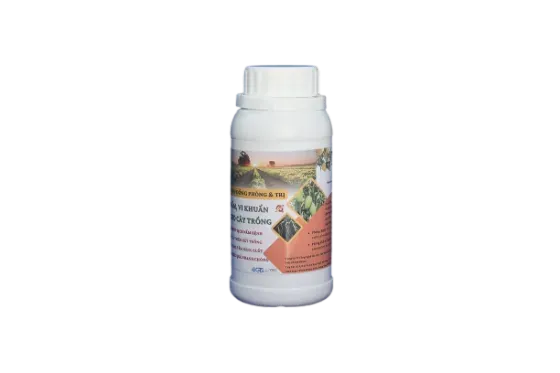
GTS Quốc Tế introduces GT-ROOT-GUARD, a copper-based formulation developed for crop care, supporting the management of harmful microorganisms and addressing specific soil treatment needs. The product is designed to help farmers and growers manage root health as part of a comprehensive crop care strategy.
The formulation combines several ingredients, including copper hydroxide nanoparticles, copper hydroxide complexes, cellulose derivatives, and calcium hydroxide. Each component serves a specific function within the formulation, which is designed to support crop care through potential antifungal and antibacterial activity, root rot management, and interactions with soil chemistry.
The product’s suitability for improving soil pH and supporting nutrient uptake should be assessed according to the formulation’s technical specifications, soil conditions, and crop requirements.
Directions for Use
The product is designed for convenient application. Before use, shake the container thoroughly to help distribute the active ingredients evenly.
Apply the product around the base of the plant and the surrounding root zone according to the product label, ensuring appropriate distribution across the intended treatment area.
Recommended Application Schedule
Application frequency should be adjusted according to the purpose of treatment and the product label.
For disease management: The product instructions specify three root-zone applications at seven-day intervals, continuing the treatment program according to the product label and observed crop response.
For preventive use: The product instructions specify three root-zone applications at seven-day intervals or periodic application following rainfall events, subject to label directions and crop conditions.
Always follow the product label for application rates, crop suitability, protective equipment, and safety precautions. Avoid excessive application, as copper accumulation in soil may harm beneficial soil organisms and affect long-term soil health.
Conclusion
Copper-based nanotechnology and GTS copper-based products offer potential applications in crop health management. When selected and used appropriately, these products may support the management of certain harmful microorganisms and contribute to healthier root systems as part of an integrated agricultural approach.
GT-ROOT-GUARD is designed to support practical crop care for farmers and growers. Combining suitable crop protection measures with soil testing, balanced nutrient management, proper drainage, and appropriate irrigation can help promote healthier plants and more sustainable agricultural production.
Contact GTS Quốc Tế
Hotline/Zalo: 0919243307 (Ms. Thy Thơ)
Email: [email protected]
Contact GTS Quốc Tế today for consultation on suitable crop care solutions and product pricing.
GTS Quốc Tế — Supporting Crop Health and Sustainable Agricultural Development.